
Key Takeaways
- Late-stage dementia can bring significant changes in behavior, communication, and daily needs.
- Memory care communities offer personalized care plans, structured routines, and emotional support.
- Knowing when to consider memory care can help support your loved one’s safety and your family’s well-being.
- A memory care community can provide calm surroundings, compassionate staff, and meaningful activities.
- Families can stay involved and supported throughout the journey.
What Families Need to Know About Late-Stage Dementia
Watching someone you love move into the later stages of dementia can be difficult for the whole family. The changes may feel sudden, even when they’ve been building slowly over time. You may find yourself wondering what comes next and how to give your loved one the care and comfort they deserve.
Memory care in a senior living community is designed to support people with dementia. It offers structured routines, familiar surroundings, and compassionate care while helping residents feel safe and connected. Knowing what to expect and what to look for can help you make a decision that feels right for your family.
What Late-Stage Dementia Looks Like
In the later stages of dementia, your loved one may experience significant changes in how they move, communicate, and respond to the world around them. They might need help with many daily tasks, from eating and dressing to getting comfortable. These changes can occur as the condition progresses.
Communication often changes as well. Words may become harder to find, and your loved one might rely more on facial expressions, touch, or tone of voice to connect. Meeting them where they are, rather than expecting conversations to look the way they once did, can help them feel safe and understood.
Familiarity and routine can become important in late-stage dementia. Consistent faces, predictable schedules, and calm environments may help reduce anxiety and confusion. When things feel steady, your loved one may find it easier to settle into the moment.
What Memory Care Support Offers Your Loved One
Personalized Daily Care
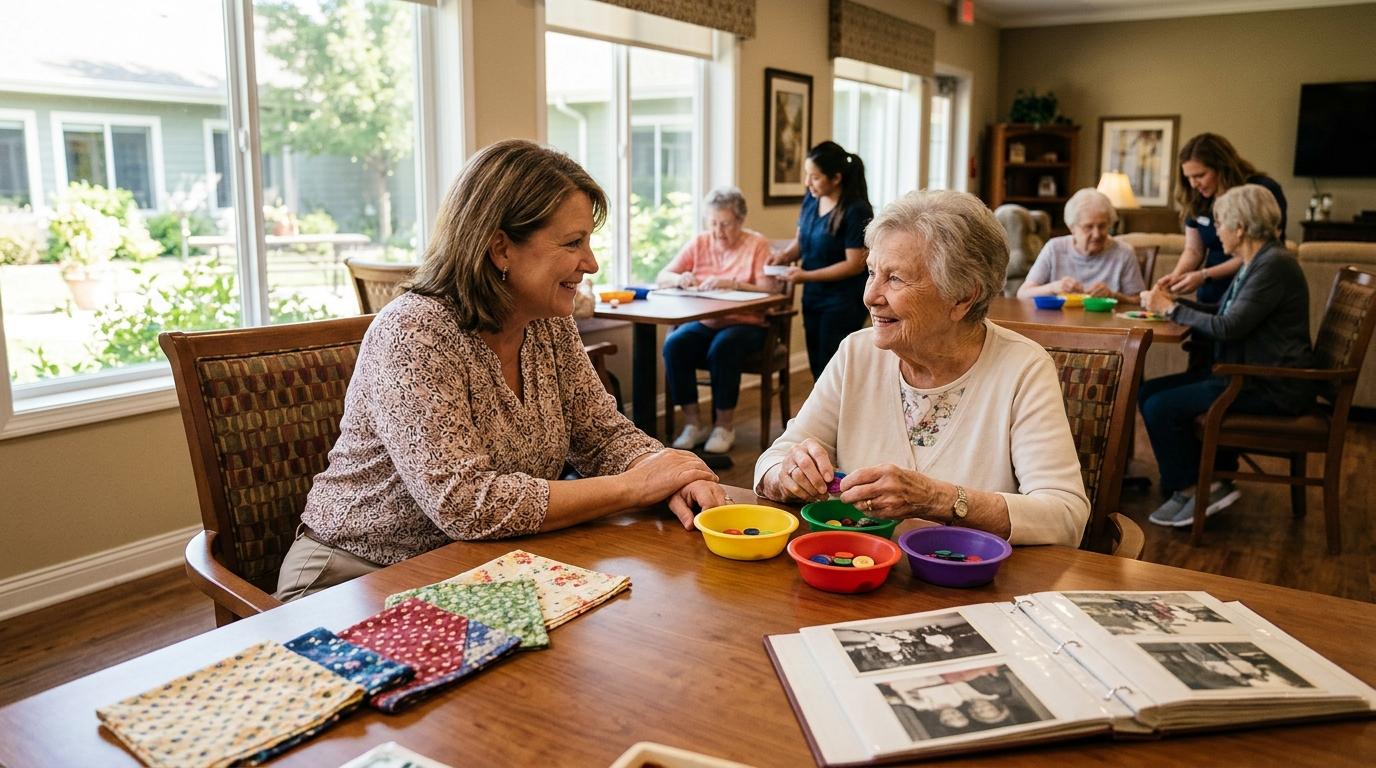
Memory care communities take a personalized approach to care. Care plans are built around each person’s individual history, preferences, and needs. That means the team gets to know your loved one, not just their condition, and shapes each day around their needs.
A structured day can help someone with late-stage dementia feel more comfortable. When the rhythm of the day is predictable, there may be less confusion or distress. Simple, consistent activities and familiar routines can help residents feel grounded.
Emotional & Spiritual Well-Being
Emotional care is also an important part of memory care. Memory care communities may provide chaplain support, spiritual programs, and one-on-one visits for residents who would benefit from that connection. These services respect each person’s preferences and right to spiritual expression.
Sometimes, meaningful support is simply having someone sit quietly with your loved one, hold their hand, or share a familiar song. That kind of presence can provide comfort and connection.
How to Know when Memory Care Is the Right Move
At-home caregiving is an act of deep love, but there may come a point when your loved one’s needs become difficult for one person to manage. If you’re losing sleep, skipping your own medical appointments, or feeling like you can’t step away, it’s worth considering whether you need additional support. Recognizing the signs of caregiver burnout can help you determine when it’s time to seek support.
Safety can also be a consideration. Wandering, falls, difficulty swallowing, or increasing agitation may indicate that your loved one needs additional support. Memory care communities can provide trained staff and support around the clock.
Moving a loved one into memory care isn’t giving up. It’s choosing a level of support that can help meet their needs while giving your family more time to focus on being present with them.
What to Look for in a Memory Care Community
Staff & Environment
The team plays an important role in the memory care experience. Look for a community where staff members are compassionate, consistent, and genuinely connected to the residents they serve. Familiar faces can help build a sense of trust and belonging.
The physical environment matters, too. Calm, homelike surroundings with soft lighting, familiar textures, and thoughtful layouts can help residents feel settled. Exploring community floorplans and spaces ahead of time can give you a clearer picture of what daily life might look and feel like.
Programs & Activities
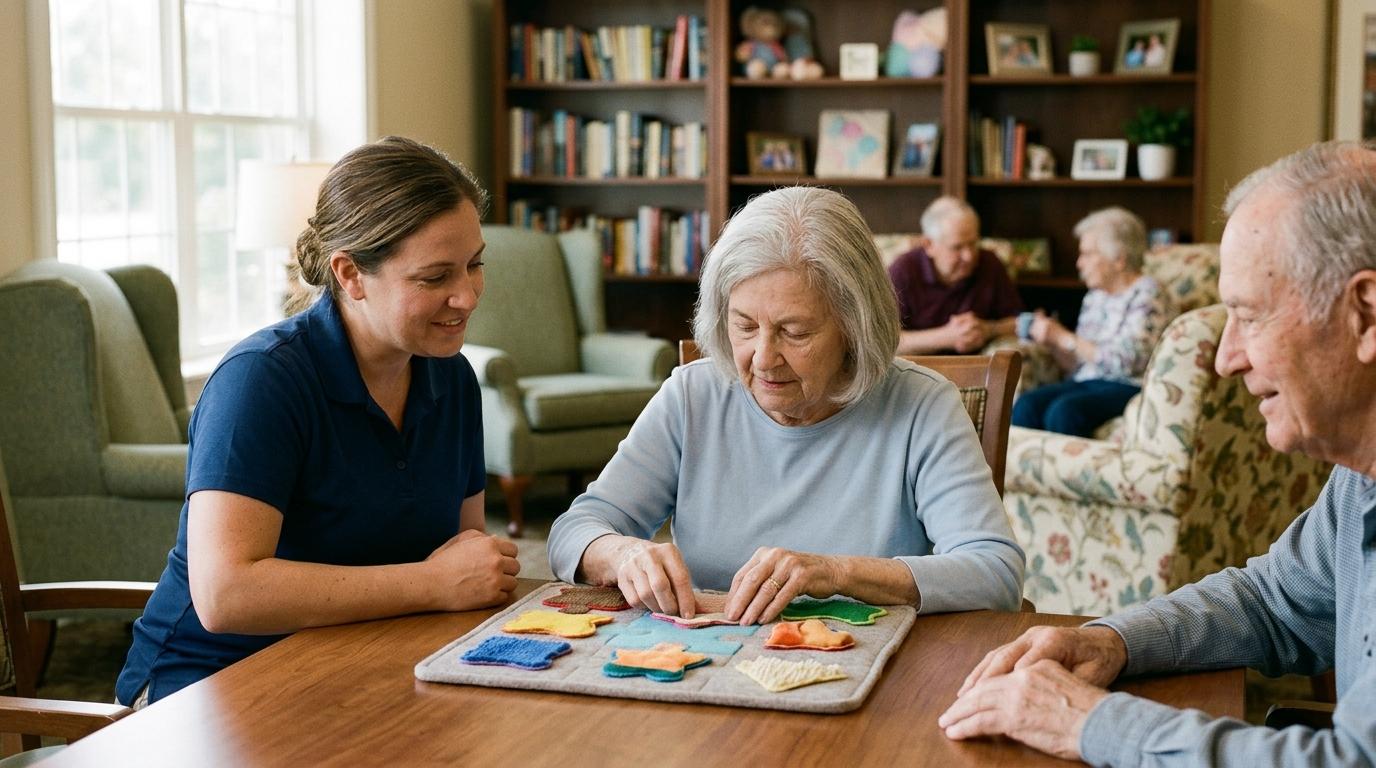
Memory care communities may offer activities that match each person’s current abilities and interests. Music, gentle movement, sensory activities, and creative outlets can support engagement and connection for people with late-stage dementia.
Social connection can be part of the daily routine rather than an add-on. When residents feel like they belong, that connection can support their overall well-being.
How Families Can Stay Connected & Find Support
Late-stage dementia can bring changes that affect daily life, communication, and care needs. Understanding what to expect and exploring memory care options can help families make informed decisions that support their loved one’s comfort and well-being.
At The Legacy of Delano Senior Living, life is about more than receiving care. Residents can spend their days connecting with neighbors, enjoying community activities, and finding new ways to stay engaged and involved. Memory care is part of that larger community. Residents can enjoy an active, social lifestyle while receiving the support they need in a safe environment.
Contact us to learn more about what our community has to offer.