
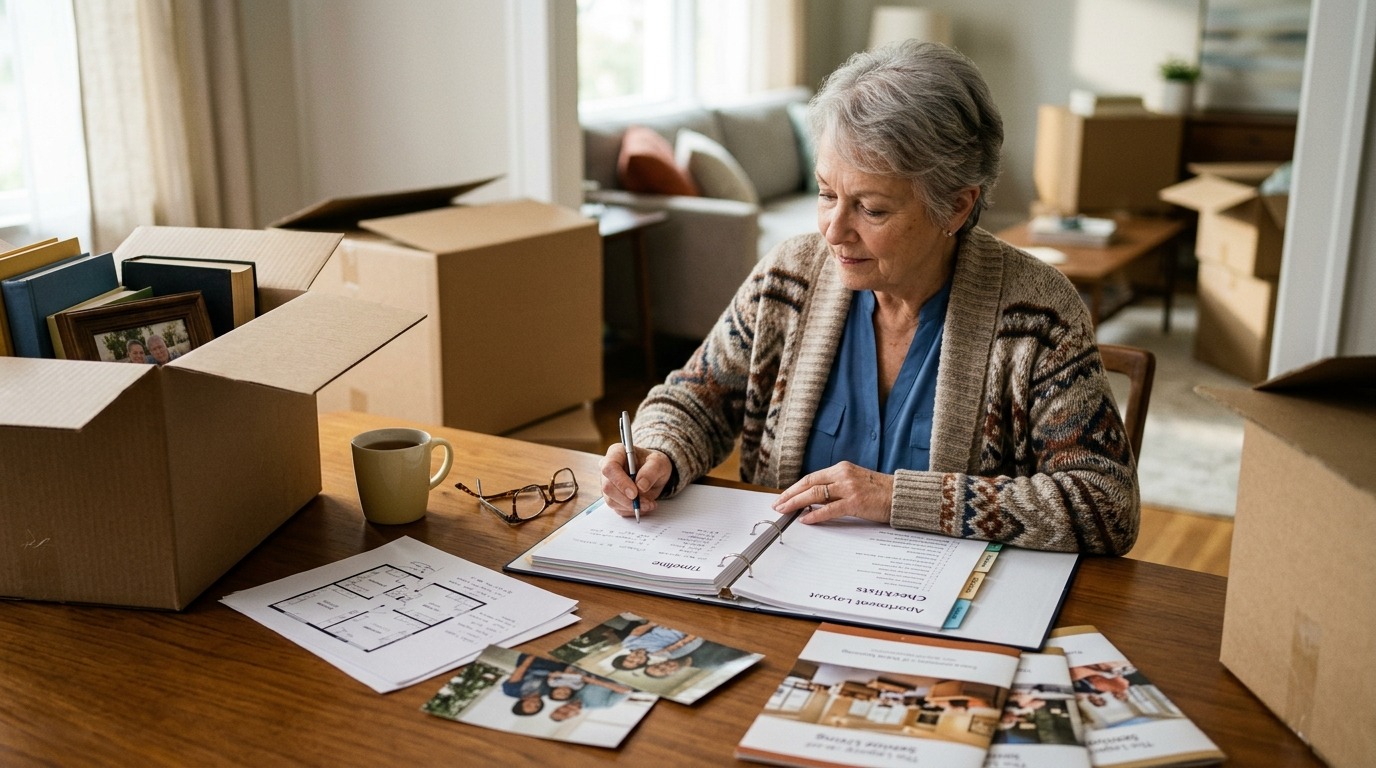

Key Takeaways
- Signs like trouble with daily tasks, safety concerns, and growing isolation can signal it may be time to explore assisted living.
- Assisted living supports independence rather than replacing it.
- Having an honest, gentle conversation with your loved one makes the process smoother.
- Involving your loved one in decisions helps them feel in control.
- Adjustment after the move takes time, and that’s completely normal.
A New Chapter Worth Embracing
When someone you love starts to need more support, it can bring up a lot of emotions. You might feel uncertain about the next step, or wonder whether the timing is right. Those feelings make complete sense, and you’re not alone in them.
The transition to assisted living is not about giving something up — it’s about gaining the right support so your loved one can live more fully and comfortably. With the right preparation, this move can be a genuinely positive change for your whole family. The Legacy of Delano Senior Living offers a warm, supportive environment where your loved one can truly feel at home, and choosing the right senior living community is a big decision that’s worth taking one step at a time.
How to Know When Assisted Living Might Be Right
It’s not always one big moment that signals a change is needed. More often, it’s a quiet build-up of smaller things. Maybe your loved one has been skipping meals, struggling to keep the house tidy, or having trouble managing their medications. These shifts in daily life are worth paying attention to.
Safety is another area to watch closely. If there have been falls, close calls, or times when your loved one seemed confused in familiar settings, that’s a sign they may benefit from more consistent support nearby. Living alone with growing risks can become stressful for everyone involved.
Social connection matters just as much as physical safety. When someone starts withdrawing from activities they used to enjoy, or seems lonely and disconnected, that can affect their overall well-being. Loneliness can significantly affect an older adult’s health, and research from the National Institute on Aging sheds light on just how real that impact can be. Assisted living communities offer built-in social opportunities and meaningful relationships that can make a real difference in how someone feels day to day.
What Assisted Living Actually Looks Like Day to Day
Personalized Care and Daily Routines
One of the biggest misconceptions about assisted living is that it means losing independence. In reality, care is shaped around each person’s individual needs and preferences. Your loved one still has a say in how their day looks, from when they wake up to how they spend their afternoons.
Support is available when it’s needed and stepped back when it’s not. Whether your loved one needs help with a few daily tasks or more hands-on care, the team works alongside them, not over them. That balance is what helps residents feel like themselves. You can learn more about how assisted living works to get a clearer picture of what daily life can look like.
Community, Activities, and Belonging
A good assisted living community keeps life feeling rich and full. Rotating calendars of events, activities matched to personal interests, and regular opportunities to connect with neighbors all contribute to a sense of belonging that’s hard to put a price on. Taking a look at the monthly activity calendar can give you a real sense of what that daily rhythm looks like.
Beyond the programs themselves, it’s the relationships that grow over time that tend to matter most. Residents form real friendships with the people around them, and staff become familiar, trusted faces. That sense of community can genuinely lift someone’s spirits.
How to Have the Conversation With Your Loved One
This conversation is one of the most important ones you’ll have, and how you approach it matters just as much as what you say. Lead with warmth and curiosity rather than urgency. Let your loved one know you’re coming from a place of care, not pressure.
Try framing the conversation around what they stand to gain, like more support, more social connection, and more freedom from the tasks that have become draining. Avoid focusing on what might change. When people feel heard and respected, they’re far more open to new possibilities.
Most importantly, listen. Ask your loved one what they’re feeling, what they’d want in a new home, and what matters most to them. Their voice should shape this process from the very beginning.
Steps to Take Before the Move
Practical and Emotional Preparation
Whenever possible, tour communities together. Letting your loved one walk through the space, meet staff, and picture themselves there makes the idea feel real and a lot less scary. It also gives them ownership over the decision. Browsing floorplans and gallery photos ahead of time can help spark those conversations naturally.
Involve your loved one at every step you can. From choosing a community to deciding how to set up their new space, participation helps people feel empowered rather than swept along by circumstances.
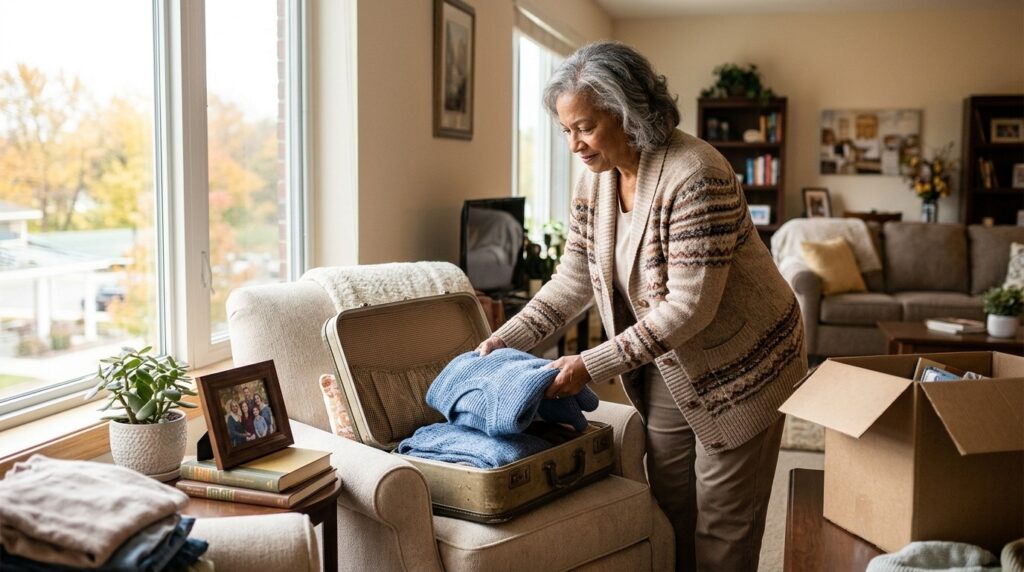
What to Bring and What to Leave Behind
Familiar items carry a lot of emotional weight during a transition. A favorite chair, family photos, or a beloved blanket are all small touches that help a new space start to feel like home more quickly than you might expect.
You don’t need to bring everything. Focus on comfort and meaning over quantity. The goal is to create a space that feels warm, personal, and genuinely theirs from day one.
What to Expect After the Move
Adjustment looks different for everyone, and it almost always takes some time. Your loved one might need a few weeks to settle in, find their rhythm, and start to feel at ease. That’s a normal and healthy part of the process.
Stay connected through regular visits and phone calls, especially in those first few weeks. Over time, watch for signs that your loved one is growing more comfortable, joining activities, smiling more, or talking about the people they’ve met. Those moments are worth celebrating.
At The Legacy of Delano Senior Living, we are here to support your family through every part of this transition. If you’re ready to take the next step, consider scheduling a tour to see what daily life here can look like for your loved one. Contact us today to get started.